An inconvenient ranking
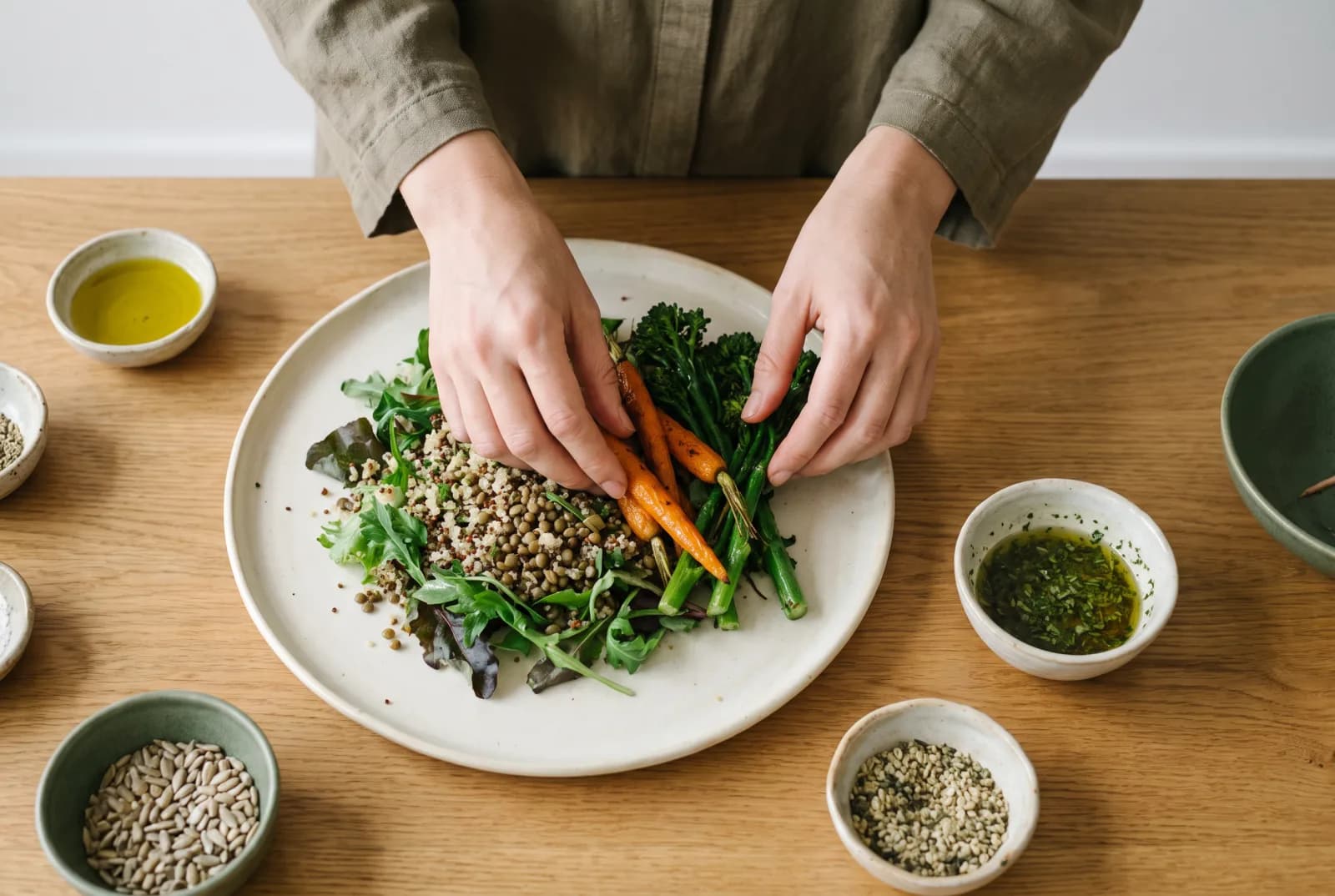
Longevity has become a marketplace, and marketplaces need novelty. But rank the interventions by evidence and effect size and the podium is almost insultingly familiar: don't smoke, train (both cardio and strength), eat a mostly whole-food diet, sleep seven to nine hours, keep blood pressure controlled, maintain strong relationships. Large cohort studies of low-risk lifestyle factors (the Harvard analyses are the famous ones) associate combinations like these with life expectancy differences on the order of a decade or more.
No supplement, cold plunge, or continuous glucose monitor has evidence within shouting distance of any single item on that list.
Why the biohacks feel better anyway
Novelty is exciting; consistency is not. A red-light panel arrives in a box and produces the sensation of progress immediately; a walking habit produces nothing you can feel for months. Buying is easier than doing. Precision is seductive too: fussing over your zinc timing feels scientific in a way that going to bed on time doesn't, and there's a quiet appeal in advanced tactics that skip the unglamorous work. The industry knows all of this and prices it in.
None of which makes every biohack useless. Some have modest supporting evidence, notably sauna. The problem is portfolio allocation: attention and money flowing to the speculative 2% while the proven 98% goes underfunded.
The compounding argument
The fundamentals win on effect size, but they also win on structure: their benefits compound and interact. Training improves sleep; sleep improves food choices; better food supports training. Miss this and you underestimate them badly. Each habit's measured effect in isolation understates its value inside the system. Biohacks, mostly bolted on at the edges, don't participate in the compounding.
Make it practical
A useful allocation rule: earn the right to tinker.
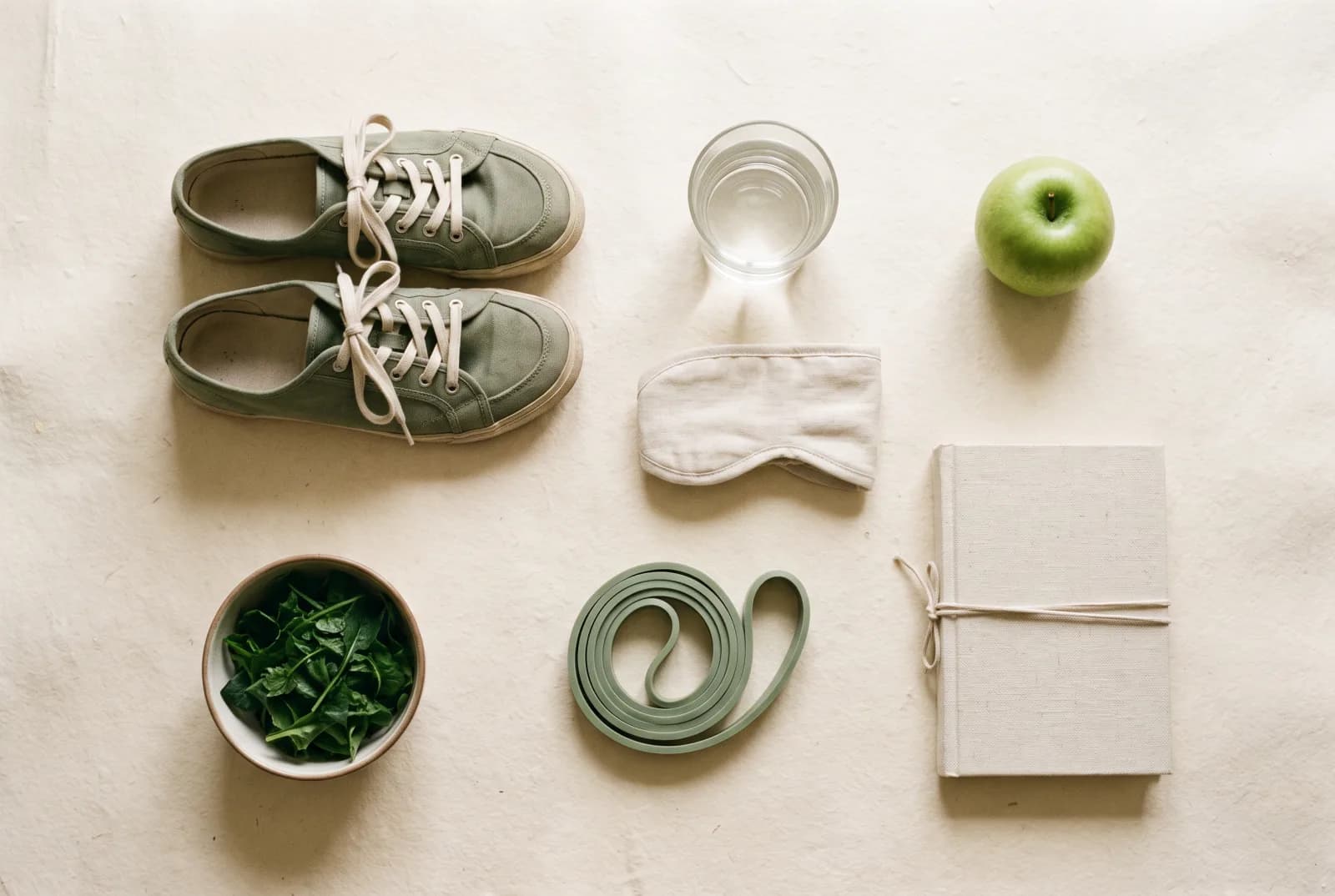
- Audit yourself against the boring six: not smoking, 150+ minutes of cardio weekly, 2+ strength sessions, mostly whole-food diet, 7–9 hours of sleep, blood pressure known and managed.
- Fix the worst gap first. The lowest-hanging fruit is by definition the item you're worst at.
- Apply the substitution test to any new purchase: would this money and attention do more aimed at my weakest fundamental?
- Give any new habit 8–12 weeks of consistency before judging it. Fundamentals pay on a delay.
- Once the six are genuinely handled for a year, experiment freely at the margins. You'll have earned it, and you'll be a better judge of what's noise.
Common mistakes
The signature mistake is inversion: a drawer of supplements and a sleep tracker atop five hours of sleep and no training. A subtler one is using measurement as a substitute for action. Tracking a biomarker feels like managing it. And beware the halo of hard things: an ice bath being unpleasant is not evidence it's doing anything a brisk walk wouldn't.
The bigger picture
This guide is the site's thesis statement. Every other page (protein, walking, VO2 max, sleep) is one of the fundamentals unpacked into something you can act on this week. Master the boring list and you've captured nearly everything current science knows how to give you.