Why diets keep losing
Name a diet and there's a decent chance it works, for about six months. Long-term trials comparing named diets tend to find the same thing: modest average results, huge individual variation, and adherence as the variable that actually predicts success. The diet you can live with beats the diet that's theoretically optimal.
That's the case for thinking in plates instead of plans. A plate template is a default you reach for when you're tired, rushed, or ordering off a menu. Defaults don't require willpower, which is exactly why they last.
The template
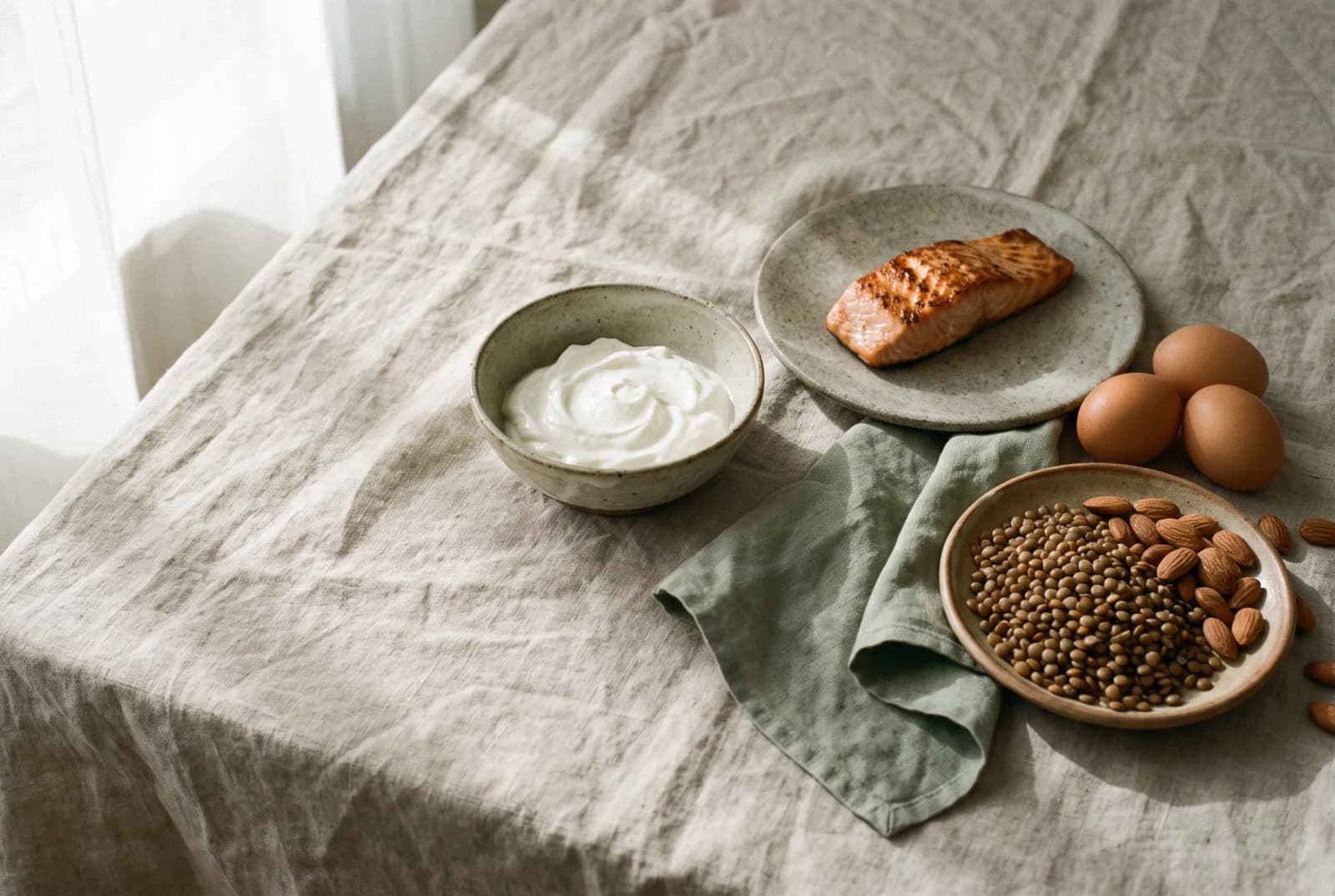
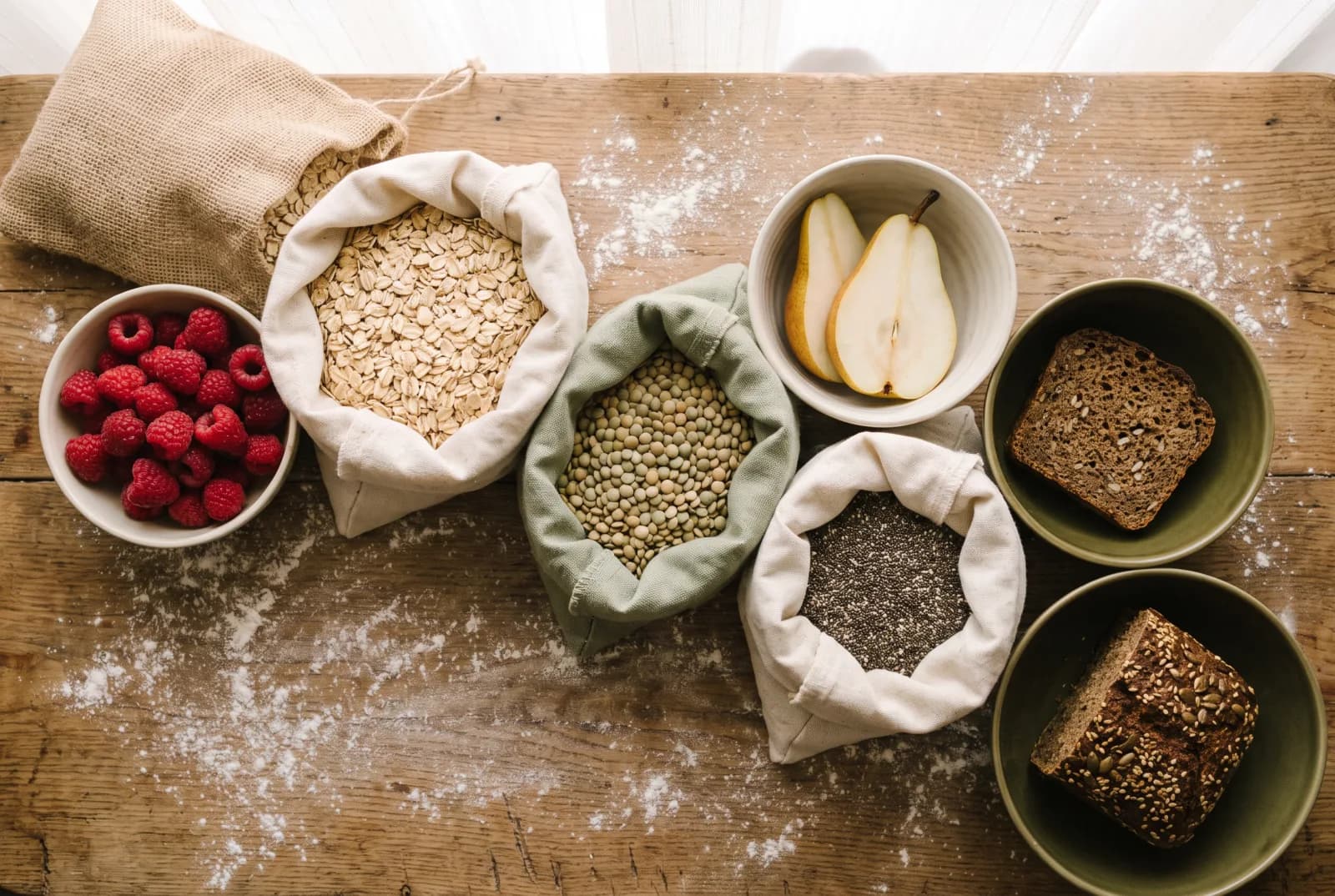
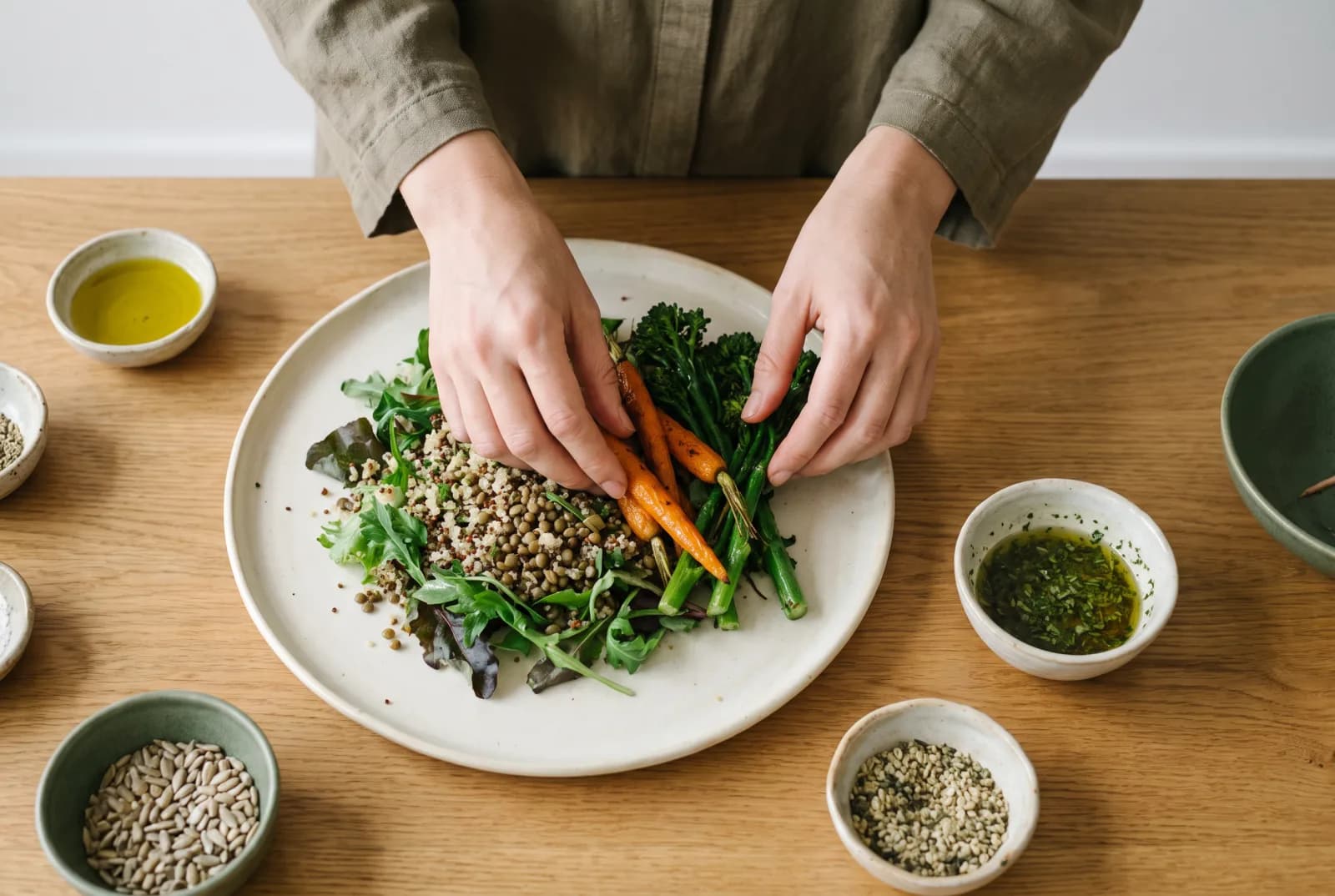
Half the plate is vegetables and fruit: volume, fibre, micronutrients. A quarter is protein, the satiety anchor and the raw material for muscle. A quarter is minimally processed carbohydrates (potatoes, rice, oats, whole grains, legumes), scaled up on training days and down on sedentary ones. Add fat mostly as an ingredient (olive oil, nuts, avocado) rather than a food group to maximize.
This is boring on purpose. It also happens to describe most eating patterns with good long-term evidence behind them, from Mediterranean-style diets on down.
Why it works
Vegetables and protein are the two most satiating things you can put on a plate per calorie. Fill half-plus-a-quarter with them and you've quietly capped energy intake without counting anything. Fibre slows digestion and steadies glucose; protein defends muscle; the structure crowds out the ultra-processed fillers that drive passive overeating.
Make it practical
Start with the meals you already eat, not a new repertoire.
- Audit your five most common dinners. Adjust proportions rather than replacing the meal. Usually that means doubling the vegetables.
- When eating out, order the plate: a protein, a vegetable side, and whatever carb comes with it.
- Keep frozen vegetables on hand. They're nutritionally comparable to fresh and remove the 'nothing in the fridge' excuse.
- Build two default breakfasts and rotate them. Decision fatigue is the enemy.
- Let one meal a week be whatever you want, guilt-free. A template with an escape valve outlasts one without.
Common mistakes
Perfectionism is the classic failure mode: treating one off-plan meal as a broken streak instead of a rounding error. The other is over-restriction. Cutting carbs or fat entirely tends to boomerang. The template flexes; that's the feature.
The bigger picture
A better plate is upstream of nearly everything else on this site: it delivers the protein your training needs, the fibre your gut needs, and the steady energy your sleep benefits from. One visual habit, three pillars served.