A category, not a villain
'Ultra-processed' comes from the NOVA classification, which sorts foods by degree of industrial processing rather than nutrients. The category spans everything from soft drinks and packaged snack cakes to protein bars and grocery-store bread, which is both its power and its problem. In many high-income countries, ultra-processed products supply around half of total calories.
Large observational studies consistently link higher UPF intake with obesity, type 2 diabetes, cardiovascular disease, and higher mortality. Observational data can't prove causation on its own, but the signal is remarkably consistent. And one tightly controlled inpatient trial found that people offered ultra-processed meals ate roughly 500 more calories per day than the same people offered matched unprocessed meals, without meaning to.
Why it drives overeating
Ultra-processed foods tend to share a profile: energy-dense, soft-textured, quick to eat, engineered combinations of fat, sugar, salt, and refined starch that rarely occur together in nature. Faster eating means fullness signals arrive late. Low fibre and protein mean less satiety per calorie. This is a food environment tuned for passive overconsumption, not a willpower failure.
There's also the displacement problem. Every calorie from a snack cake is a calorie not coming from the plants, protein, and fibre your body was expecting.
Not all UPFs are equal
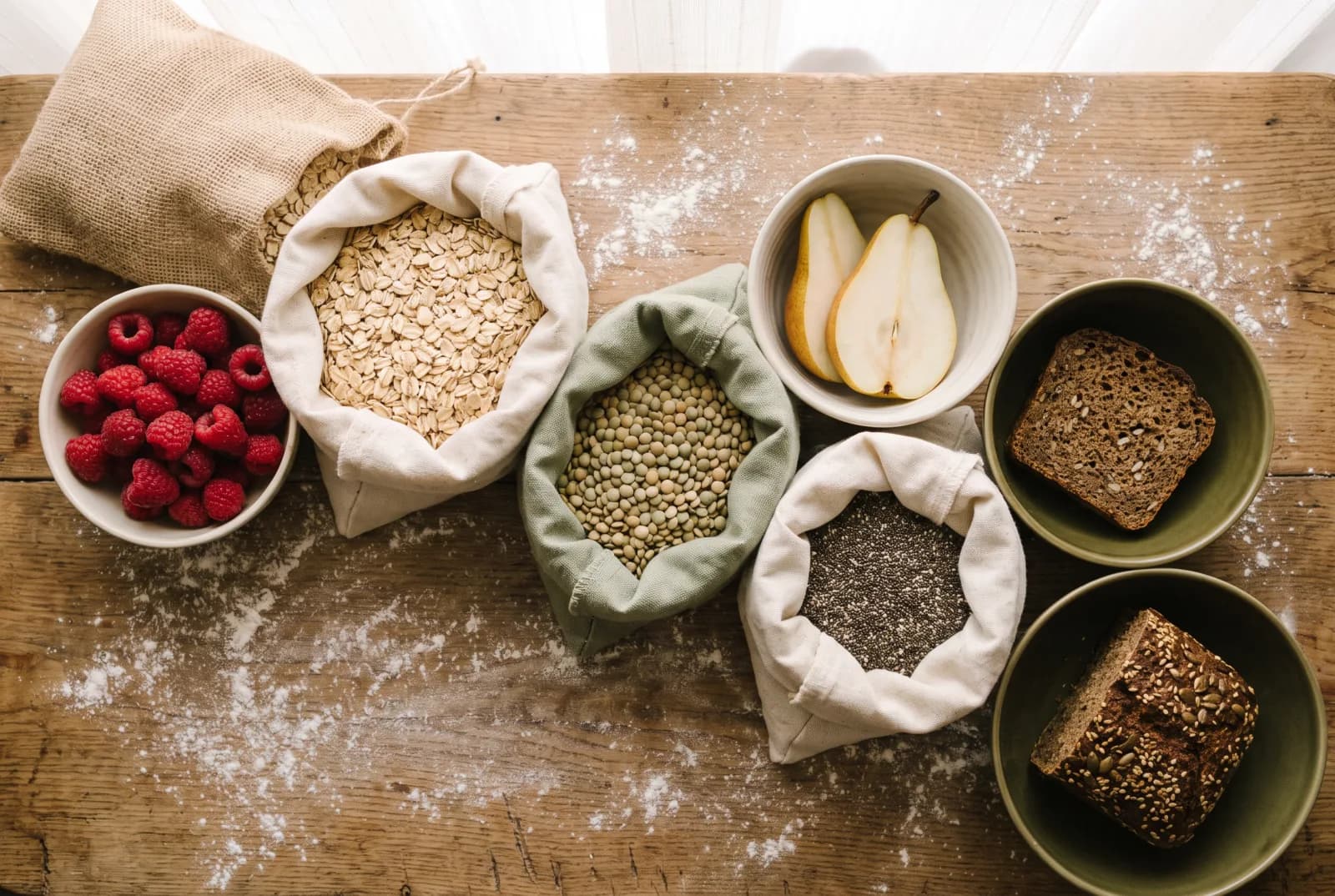
This is where panic goes wrong. Whole-grain bread, plain yogurt with additives, canned beans, and fortified plant milks can all technically classify as processed or ultra-processed, and the evidence against them is weak to nonexistent. The strongest signals attach to sugary drinks and processed meats. A frozen bag of vegetables is processing working for you.
Skip the category question and ask what fraction of your diet is built from products rather than food.
Make it practical
Shrink the fraction; don't chase purity.
- Pick your top three UPF calorie sources (for most people that's sugary drinks, packaged snacks, or fast food) and swap just those.
- Make the swap structural: don't stock the pantry with what you're cutting. Environment beats resolve.
- Read ingredient lists loosely. A short list of recognizable ingredients is a decent filter without being a religion.
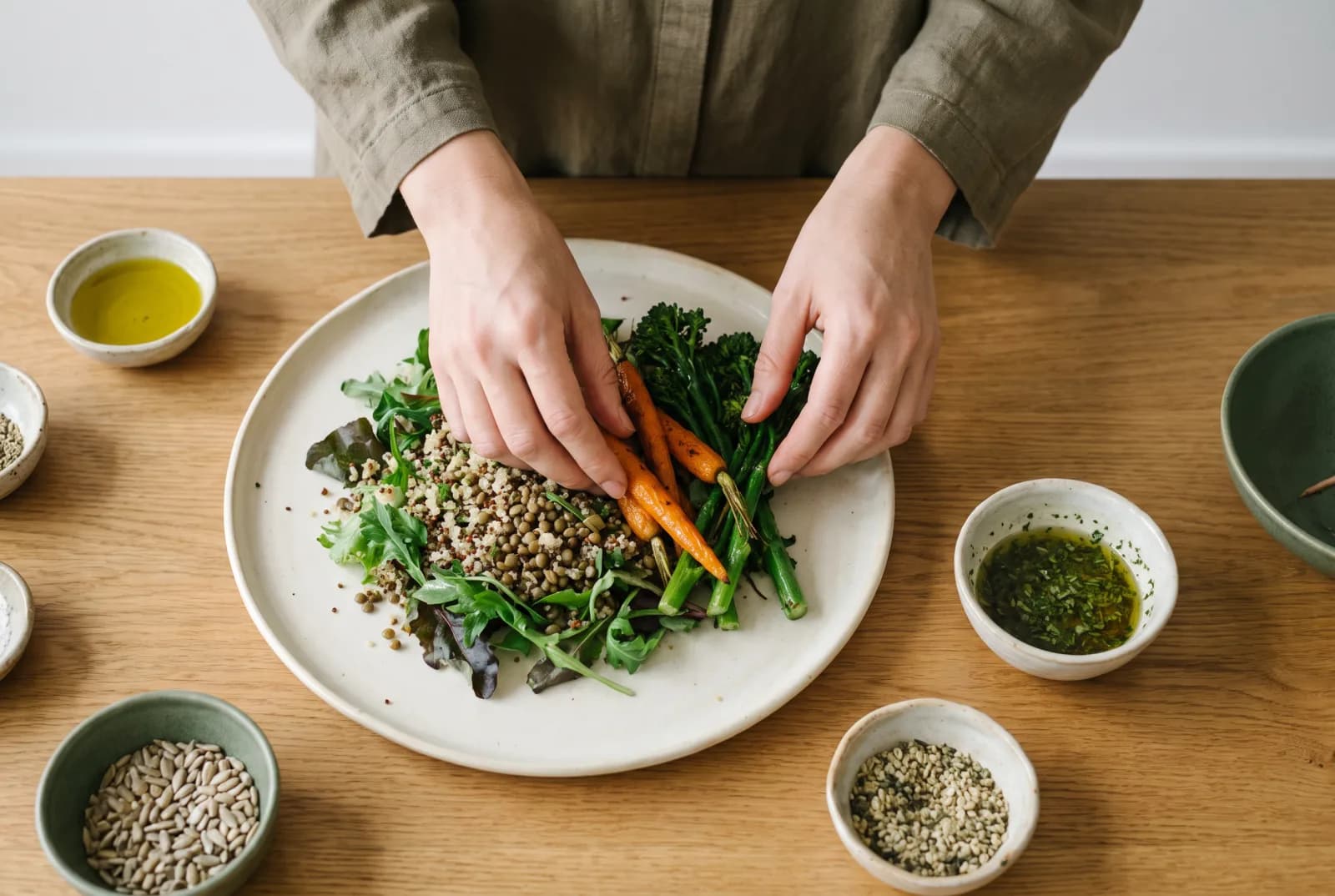
- Keep convenient whole foods convenient: washed fruit visible, nuts portioned, yogurt in the fridge.
- Cook a double batch twice a week. Leftovers are the honest competitor to takeout.
Common mistakes
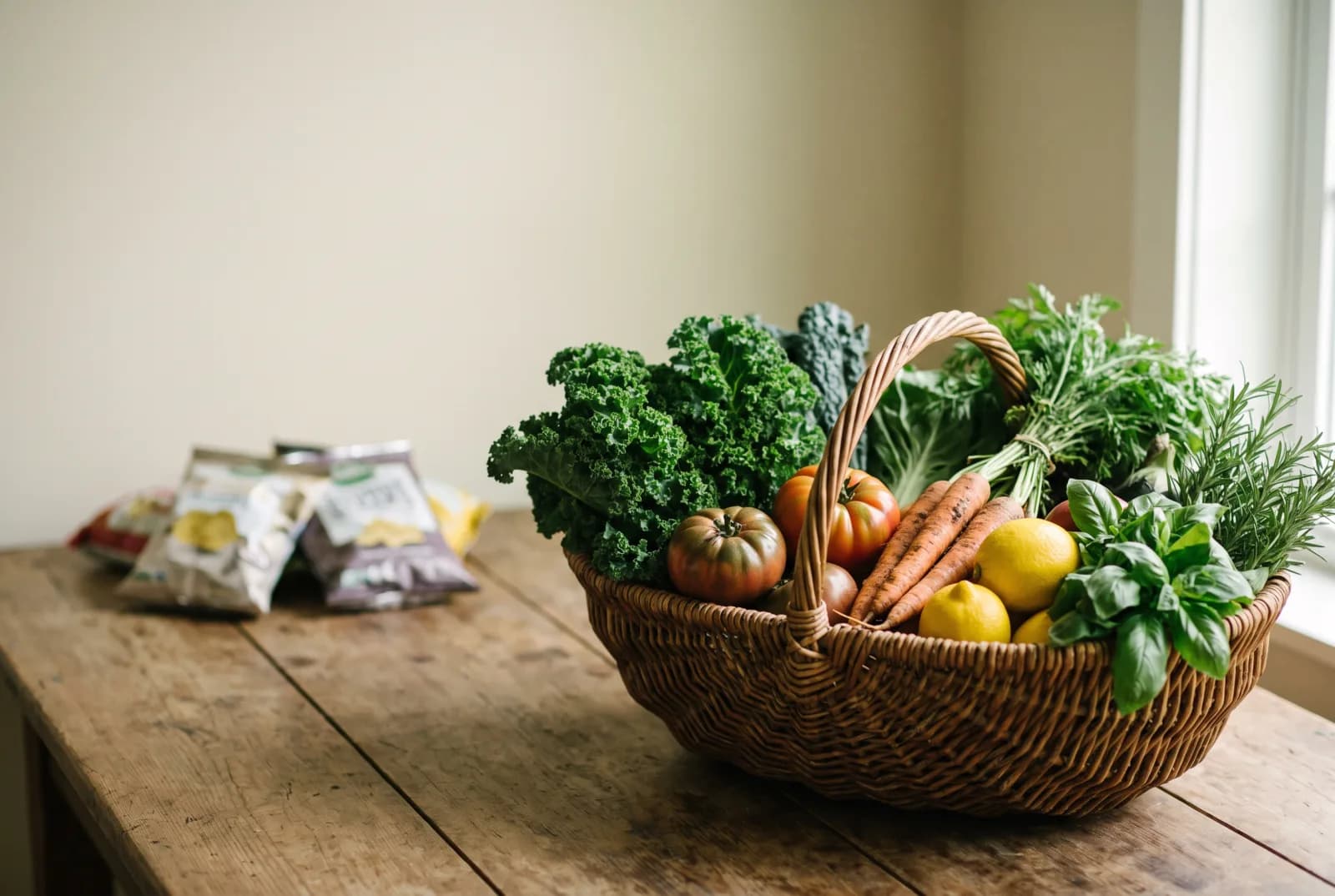
All-or-nothing thinking tops the list. A diet that's 20% ultra-processed and rich in plants and protein is a good diet; the data implicating UPFs describes patterns where they dominate. The second mistake is halo-shopping: replacing regular snacks with clean-labelled ultra-processed snacks at triple the price and calling it progress.
The bigger picture
Reducing UPFs is really three habits wearing a trench coat: more fibre, more protein-anchored meals, fewer liquid calories. Which is why it pairs naturally with building a better plate. Do that, and the UPF fraction falls without a single food being forbidden.